
23 September 2026


3 August 2026
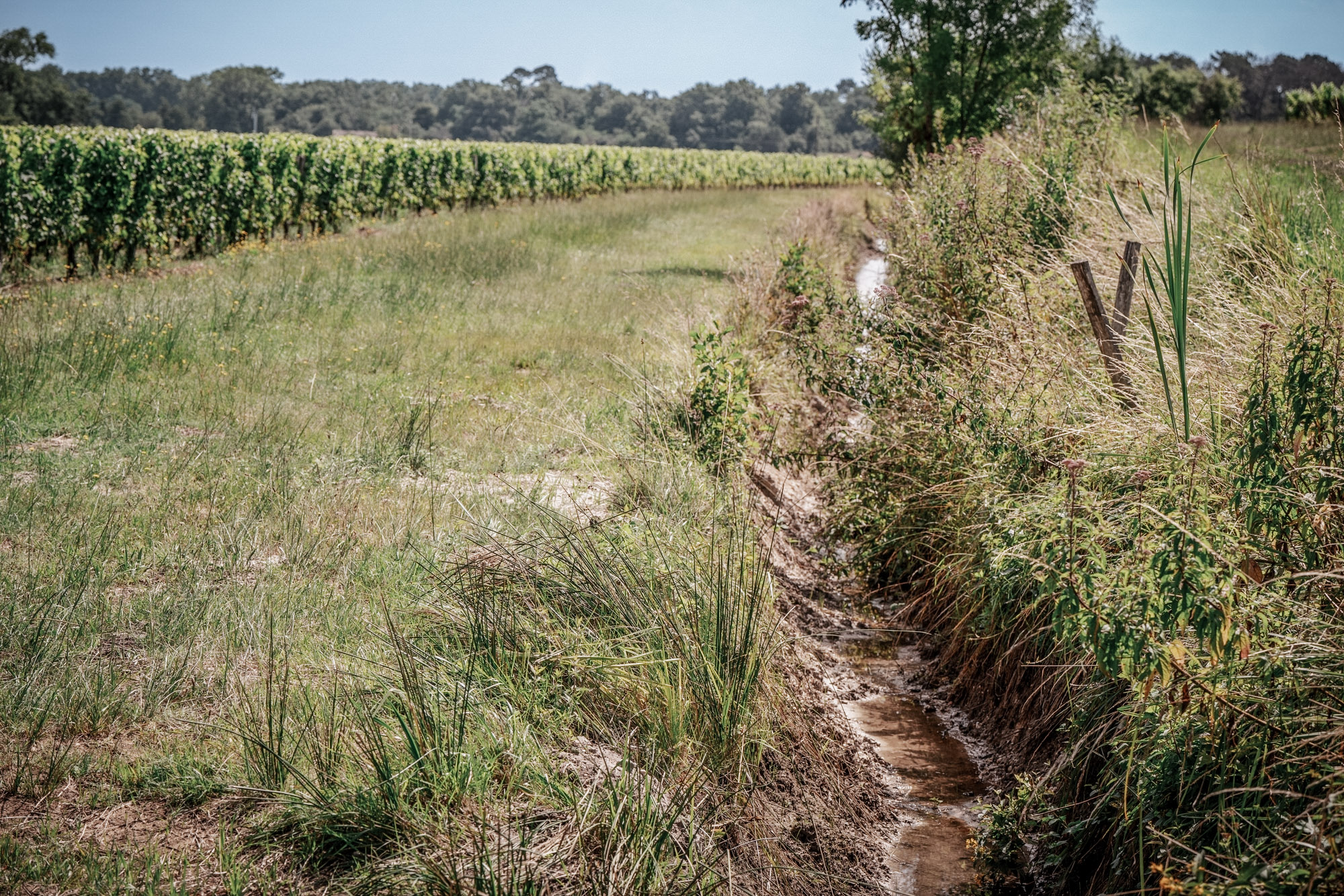
Protecting biodiversity has become a key priority in modern winegrowing landscapes. To gain a clearer understanding of the wildlife living across its estate, Château La Garde commissioned the Aquitaine branch of the French Bird Protection League (LPO) to carry out a comprehensive ecological survey. The study provides a detailed snapshot of the estate’s biodiversity while identifying the habitats that play a vital role in supporting local wildlife.
How important is biodiversity within a working vineyard? To answer this question, Château La Garde asked LPO Aquitaine to undertake a full ecological assessment of the estate. The objective was to establish a baseline inventory of the fauna present, identify the property’s key ecological features, and create a reliable reference point for guiding future environmental management and monitoring its long-term impact.
The survey followed nationally recognised scientific protocols and focused on several groups of species, including birds, butterflies, dragonflies, amphibians and bats. Every observation was georeferenced and recorded in the LPO’s Naturalist database, ensuring that the data can be tracked and compared over time.
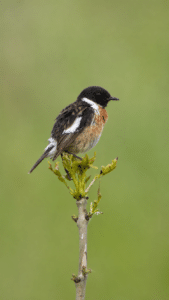
The results reveal a rich and varied biodiversity, largely driven by the diversity of habitats found across the estate. Ornithological surveys recorded 56 bird species, representing 386 individual birds observed or heard within and around the vineyard.
Notable species include the Woodlark, Cirl Bunting, Little Owl, Common Kestrel, European Bee-eater and European Goldfinch. While some birds occasionally use the vine rows for feeding or nesting, most observations were concentrated around hedgerows, woodland, farm buildings and grassland, where food resources and breeding opportunities are far more abundant.
Among the birds recorded, 17 species are considered to be of conservation interest due to their protection status or inclusion on France’s national Red List. The study shows that these species are primarily associated with the estate’s most diverse habitats.
Species more closely linked to the vineyard itself, such as the Woodlark, Cirl Bunting, Common Linnet and European Goldfinch, were most frequently recorded in grass-covered vineyard plots and in areas bordering hedgerows and small woodland patches.
The butterfly surveys reinforce these findings. LPO recorded 33 butterfly species, representing 519 individual insects. Species identified include the Scarce Swallowtail, Brimstone, Painted Lady, Red Admiral, Clouded Yellow, Peacock and Mazarine Blue.
Once again, the greatest concentrations were found along woodland edges, grassy margins and vegetated tracks, while the vine rows themselves supported relatively few species. Although none of the butterflies recorded are currently classified as nationally threatened, their abundance and diversity are closely linked to the richness of flowering plants and the variety of habitats available across the estate.
Beyond documenting the estate’s wildlife, the study reinforces a widely recognised principle of vineyard ecology: biodiversity depends not only on the vines themselves, but also on the network of surrounding habitats. Grasslands, hedgerows, ponds, woodland and other semi-natural areas provide essential complementary habitats for a wide range of species.
Drawing on these findings, LPO has proposed a number of management recommendations aimed at strengthening ecological connectivity across the estate and enhancing biodiversity over the long term.